

RELATED PRODUCT BRANDS
As a leading single source provider of turnkey processing and packaging lines, ProMach efficiently and cost-effectively helps customers of all sizes ship more packaged goods out the door. Our global team of technical application and engineering experts can transform individual pieces of equipment into high-performance production lines and help mitigate risk by partnering with customers to provide everything from line design to the end of the line.
EXPLORE OTHER PROMACH BUSINESS LINES
ProMach is your partner from start to finish. Our product brands are grouped into distinct business lines that make the most sense to our customers, covering every function of the production line: Filling, Bottling & Capping, Decorative Labeling, Flexibles & Trays, Pharma, Handling & Sterilizing, Labeling & Coding, Robotics & End of Line, and Systems & Integration.
learn more


Why 2026 Non-Alcoholic Beverage Trends are Redefining Packaging Line Integration
A systems-level perspective on why integration will define the next generation of beverage operations
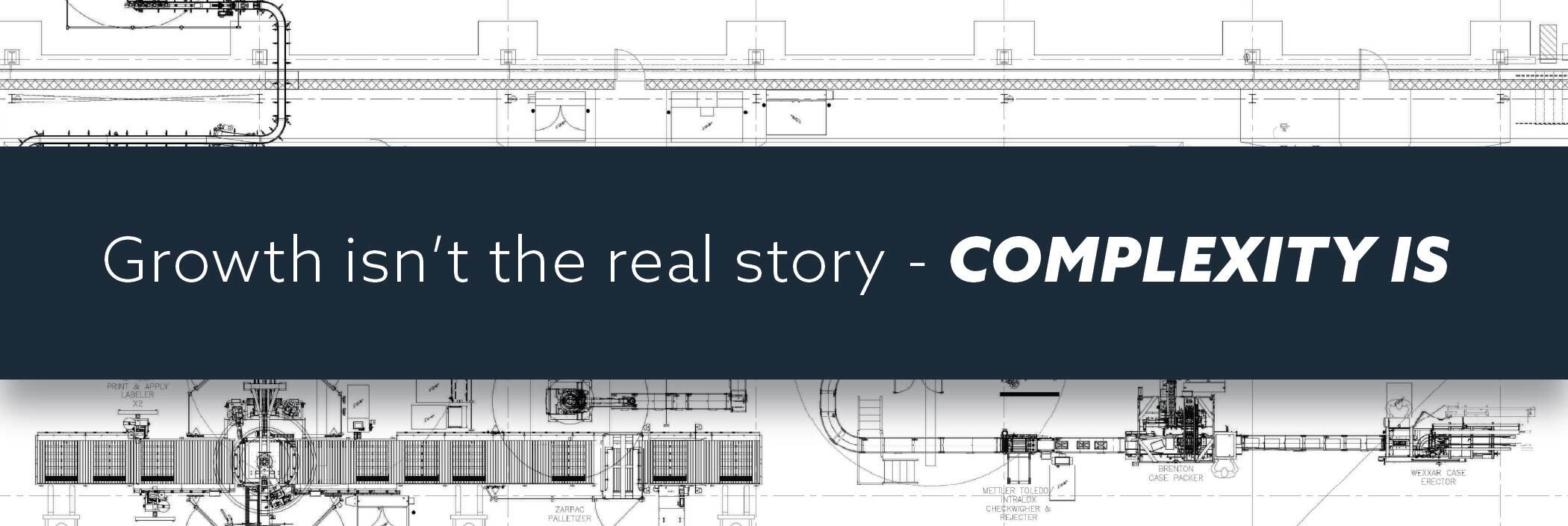
The non-alcoholic beverage category is growing fast. But growth isn’t the real story. What matters more is how the category is changing what packaging lines are expected to handle.
In 2026, adding one faster machine won’t solve the problem. It depends on whether the entire line is built to handle complexity without sacrificing performance. For beverage producers, that reality is shifting from isolated equipment decisions and toward fully integrated line strategies. This shift is reshaping how packaging lines are designed, balanced, and future-proofed across beverage operations.
Functional Beverages Expose the Limits of Fragmented Line Design
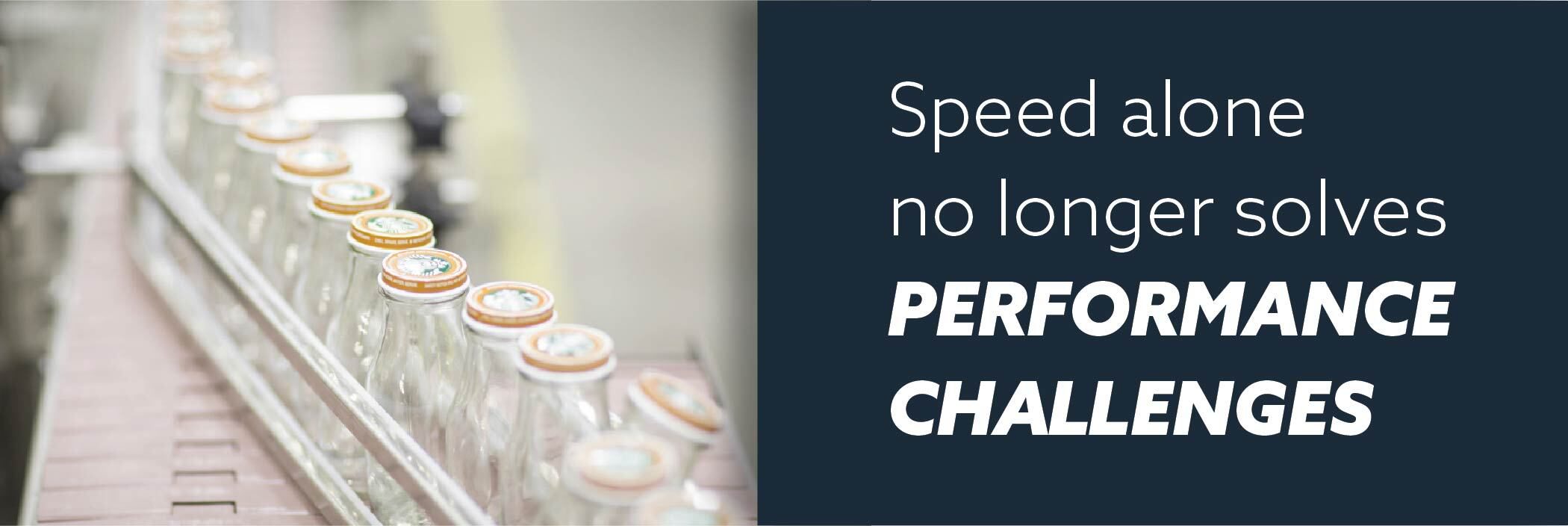
The continued rise of functional beverages, including hydration, metabolic support, energy, and nutrient-enhanced products, has introduced a level of process sensitivity that traditional line configurations were never built to handle.
Active ingredients, tighter fill tolerances, and more container variations push lines closer to their operational limits. When lines are built piece by piece, those variables manifest as downtime. This could include reduced uptime, inconsistent throughput, and performance losses that compound as SKUs multiply. In practice, we often see these issues surface downstream first, where small fill or container variations create labeling and accumulation problems that weren’t visible during isolated equipment testing.
Clean Label Is a Systems Challenge, Not a Materials Challenge
Most clean label conversations focus on materials and sustainability. However, they are just as much about execution.
Lightweight containers, recyclable substrates, and minimalist designs reduce tolerance for variation. Label placement, container orientation, inspection accuracy, and waste reduction all become tightly interconnected. When those elements are engineered separately, even small inconsistencies quickly turn into stoppages or waste.
Premium Non-Alcoholic Brands Raise the Cost of Inconsistency
As premium alcohol-free beverages continue to gain traction, packaging quality has become inseparable from brand credibility. Sophisticated bottle geometries, decorated cans, refined secondary packaging, and higher-end materials leave little room for error.
In these environments, non-alcoholic beverage packaging line performance is no longer just about speed. Gentle handling, labeling precision, temperature control, and presentation quality must all be maintained, often at higher throughputs than legacy premium lines were designed to support.
Personalization Accelerates the Need for Flexible Line Architectures
Customization is pushing beverage operations toward higher SKU counts, shorter runs, and more frequent changeovers. The challenge isn’t variety. It’s what variety does to line balance when changeovers become the norm instead of the exception.
Flexible packaging line layouts, recipe-driven automation, and intelligent accumulation strategies are becoming foundational capabilities. Lines must be designed to transition quickly between products while maintaining balance across fillers, conveyors, and downstream systems.
Smaller Formats Magnify Performance Gaps
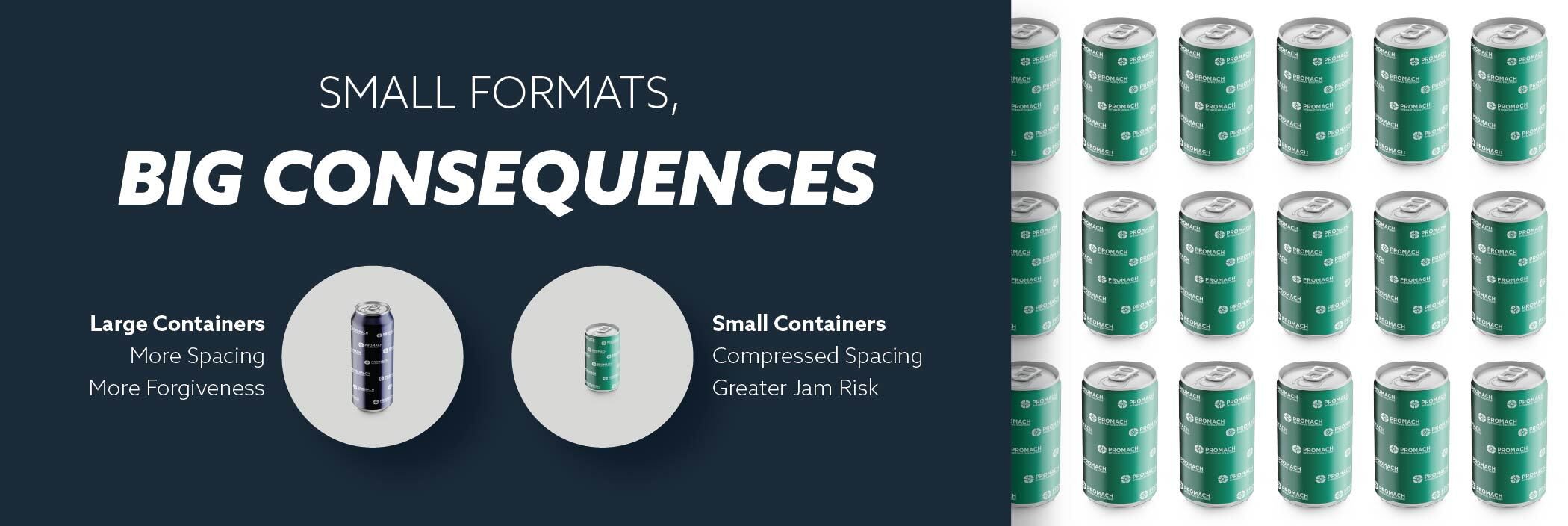
The growth of mini and small-format beverages highlights a recurring truth in packaging. At higher container counts, even minor spacing issues compound quickly. This is where theoretical line speeds collide with physical reality.
Increased speeds, tighter spacing, and non-standard multipacks place stress on conveying, accumulation, and secondary packaging. Without a systems-level view, these lines are prone to jams, bottlenecks, and chronic speed mismatches.
A More Deliberate Way Forward
As the non-alcoholic beverage category continues to evolve, the most important decisions manufacturers make may not be about which trend to pursue next, but how their operations are structured to support change over time.
Developing a truly integrated packaging line lets producers add new formats without rebuilding the entire system each time. Integration is less about solving today’s challenges and more about preserving optionality for what comes next.
In a market where SKU counts keep climbing and speeds keep increasing, long-term advantage comes from clarity at the system level. As producers plan new investments or rethink existing lines, integration becomes less of an engineering choice and more of a strategic one.